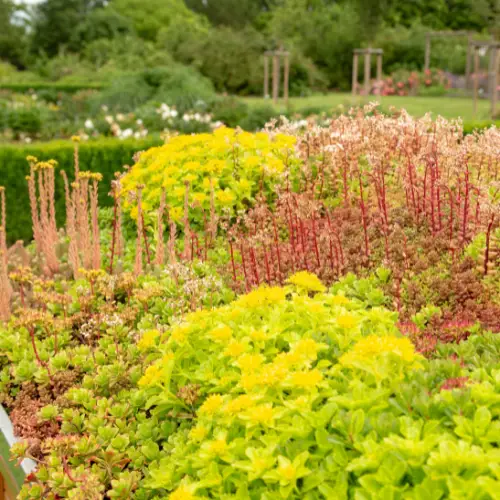
A green roof, also known as a living roof, is a roofing system covered with vegetation that provides environmental, economic, and social benefits. Green roofs are becoming essential in modern architecture due to their ability to reduce energy costs, improve urban air quality, and create more sustainable cities. But what exactly is a green roof, how does it work, and what types are available? Let’s explore this eco-friendly roofing solution in detail.
What is a Green Roof?
A green roof is a specially designed roofing system that supports plant life while protecting the building underneath. Unlike conventional roofs made of asphalt or metal, green roofs are engineered with multiple layers that ensure proper water drainage, insulation, and root protection.
How Does a Green Roof Work?
A green roof functions by layering various components that support plant growth and shield the building structure. These layers allow the roof to absorb rainwater, reduce heat, and filter pollutants, making it an eco-friendly option for both residential and commercial properties.
Green Roof Layers Explained
Green roofs are built with specific layers that ensure efficient performance and durability. Here are the key components of a green roof system:
- Vegetation Layer: Plants like sedums, grasses, or shrubs that offer aesthetic and environmental benefits.
- Growing Medium (Soil): A lightweight soil mix that supports plant growth while retaining water.
- Filter Fabric: Keeps soil particles from clogging the drainage system.
- Drainage Layer: Channels excess water away from the roof to prevent flooding.
- Root Barrier: Prevents plant roots from penetrating and damaging the roof.
- Waterproof Membrane: Protects the building from water damage and leaks.
Types of Green Roofs
Green roofs come in two primary types: extensive and intensive. Choosing the right type depends on the building’s structural capacity, desired maintenance level, and project goals.
Extensive Green Roofs
Extensive green roofs are lightweight, low-maintenance systems designed primarily for environmental sustainability. They feature shallow soil and hardy plants that require minimal upkeep.
- Soil Depth: 2-6 inches
- Vegetation: Sedums, mosses, grasses
- Weight: 15-50 lbs/sq. ft.
- Maintenance: Minimal (annual weeding and fertilization)
Intensive Green Roofs
Intensive green roofs are more complex and resemble rooftop gardens. They can support a wide variety of plants, including flowers, shrubs, and even trees, thanks to deeper soil layers.
- Soil Depth: 6+ inches
- Vegetation: Flowers, shrubs, small trees
- Weight: 80-150 lbs/sq. ft. or more
- Maintenance: Regular care, including watering, pruning, and landscaping
Benefits of a Green Roof
Green roofs provide significant environmental, economic, and social benefits that make them an essential feature of sustainable architecture.
Environmental Benefits
-
Reduced Urban Heat Island Effect:
Green roofs lower city temperatures by absorbing heat and cooling the surrounding air through evapotranspiration. -
Stormwater Management:
Green roofs absorb rainwater, reducing runoff, preventing flooding, and lowering water pollution. -
Improved Air Quality:
Plants filter pollutants from the air while producing oxygen, contributing to a healthier urban environment. -
Biodiversity Support:
Green roofs create habitats for birds, bees, and other wildlife, enhancing urban biodiversity.
Economic Benefits
-
Energy Savings:
Green roofs insulate buildings, reducing heating and cooling costs by stabilizing indoor temperatures. -
Extended Roof Lifespan:
Green roofs protect roofing materials from UV rays, weather damage, and temperature fluctuations, doubling the lifespan of the roof. -
Higher Property Value:
Eco-friendly buildings with green roofs often enjoy increased property value and rental rates due to sustainability certifications and market appeal.
Social and Aesthetic Benefits
-
Improved Urban Landscapes:
Green roofs enhance city skylines by turning unattractive rooftops into lush, green environments. -
Community Spaces:
Some green roofs double as community gardens or recreational spaces, improving the quality of life for residents and workers. -
Mental Health and Wellbeing:
Studies show that access to greenery reduces stress, improves mood, and enhances productivity.
Common Myths About Green Roofs
Despite their benefits, several misconceptions about green roofs still exist. Here’s the truth behind some common myths:
Myth 1: Green Roofs Are Expensive
While installation can be costly, long-term savings from energy efficiency, reduced maintenance, and extended roof lifespan can offset the initial investment. Government incentives and green building grants may also reduce costs.
Myth 2: They Require Too Much Maintenance
Extensive green roofs are designed for minimal maintenance, typically requiring only occasional weeding and inspections.
Myth 3: They Cause Roof Leaks
Modern green roofs are built with advanced waterproof membranes and root barriers, making them as safe as traditional roofs when properly installed.
Why Choose a Green Roof?
Green roofs are a powerful tool for promoting sustainability, reducing energy consumption, and enhancing urban living. Whether for residential, commercial, or public buildings, they offer a smart investment in the future of eco-conscious design.
By installing a green roof, property owners can:
- Lower energy bills
- Reduce environmental impact
- Increase property value
- Improve urban aesthetics